
Work with digital worlds
Make virtual models tangible — in design, review, and training, from the to the or with an .
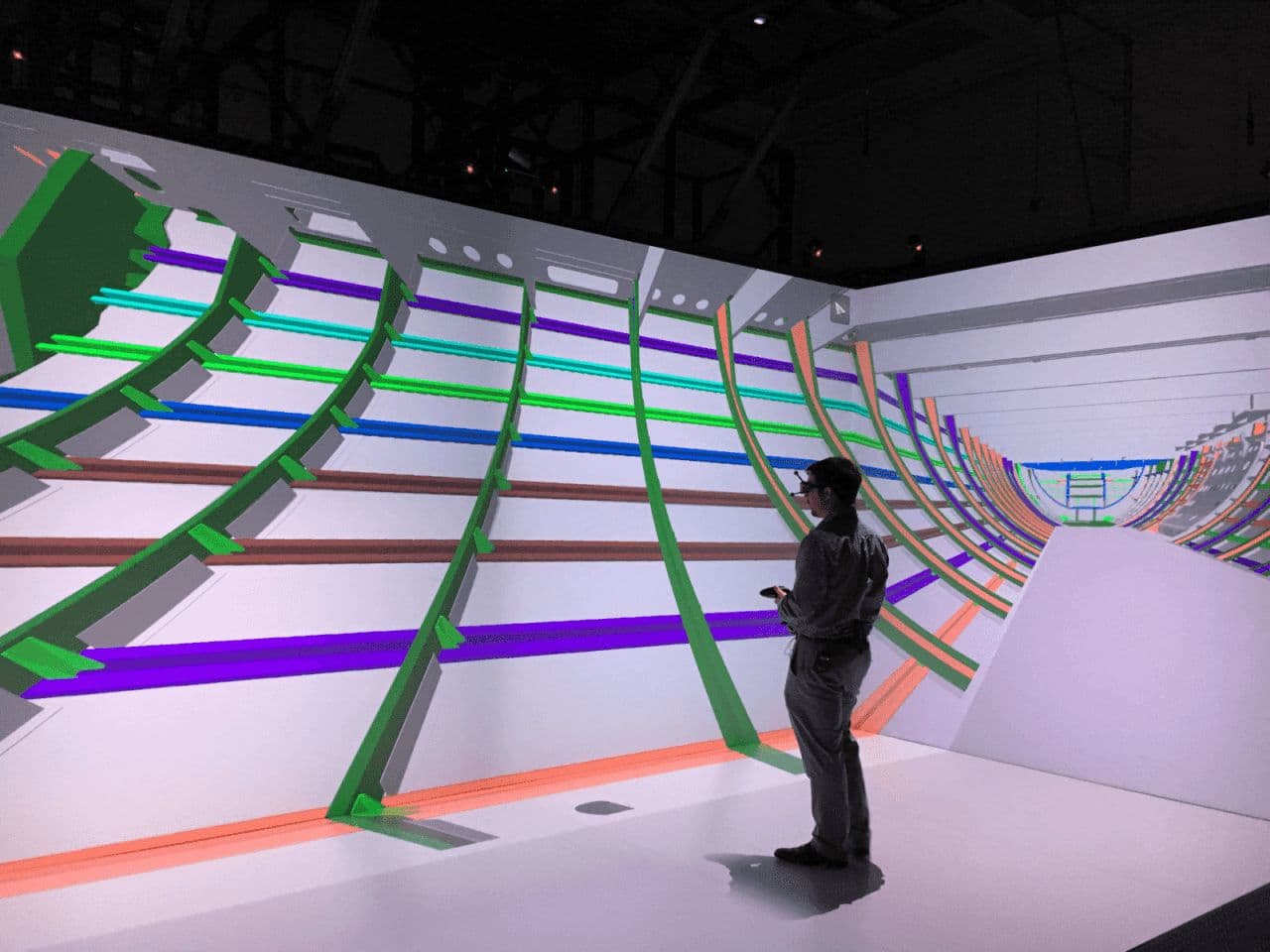

ART captures motion with cameras and sensors — and turns that data into something you can use: in VR and simulation, on the assembly line, in the lab, or in robotics.
Trusted by Mercedes-Benz, ArianeGroup, Bombardier, and many others. More than 2,800 installations worldwide — with DTRACK and VERPOSE®.
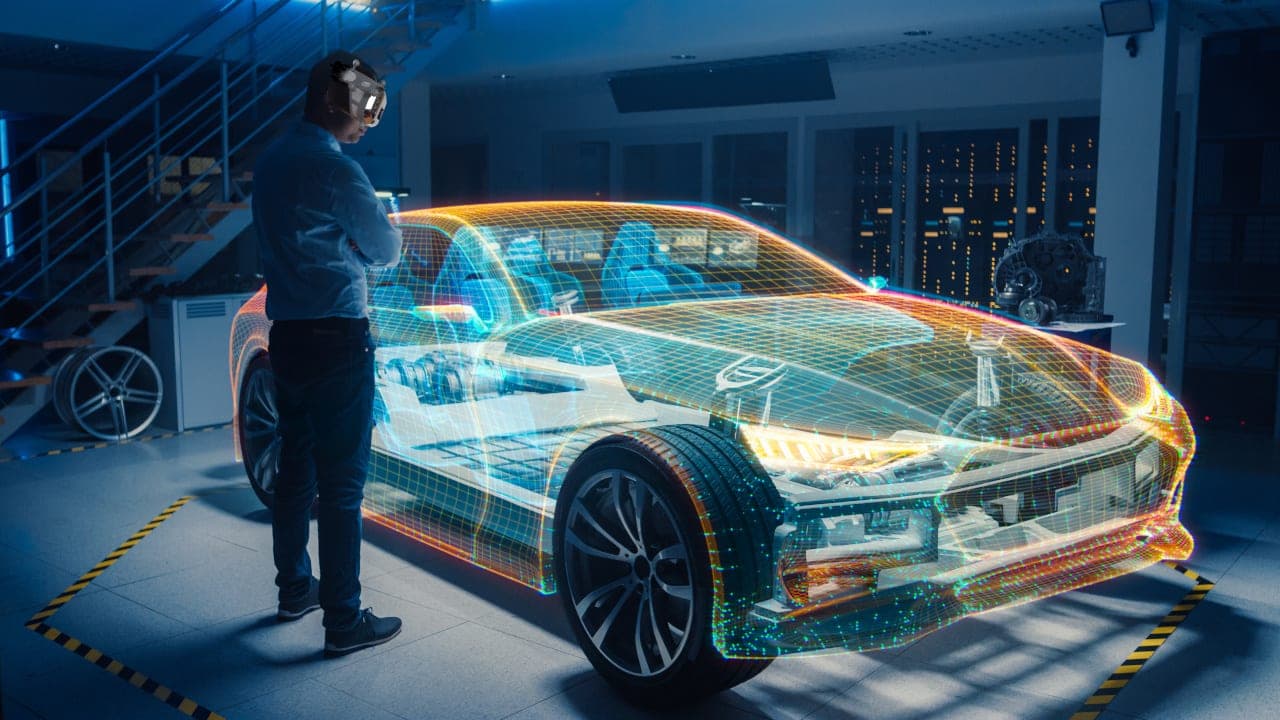
ART builds cameras, sensors, and software for . The captured motion data becomes usable in real time — in VR and simulation, on the assembly line, in the lab, or in robotics. Teams can validate early, measure precisely, and run processes with confidence.
Make virtual models tangible — in design, review, and training, from the to the or with an .
Capture motion and position reliably — for ergonomics, vibration, deformation, and quality assurance with data.
Guide robots, tools, and remote systems — including in hazardous environments where people cannot intervene directly.
„VR is revolutionizing the way we work and helping us move from first concept to series production faster.“Mercedes-Benz VR Center →
Sub-millimeter accurate 6DOF data in real time — the foundation for every tracking-based application.
Powerwall, CAVE, and HMD tracking at leading automotive and aerospace customers — proven in over 2,800 installations worldwide.
VERPOSE® and DTRACK tool tracking for serial production, robotics, and camera-based assembly validation.
DTRACK as the central platform: cameras, interaction devices, markers, targets, and complementary software from a single source.
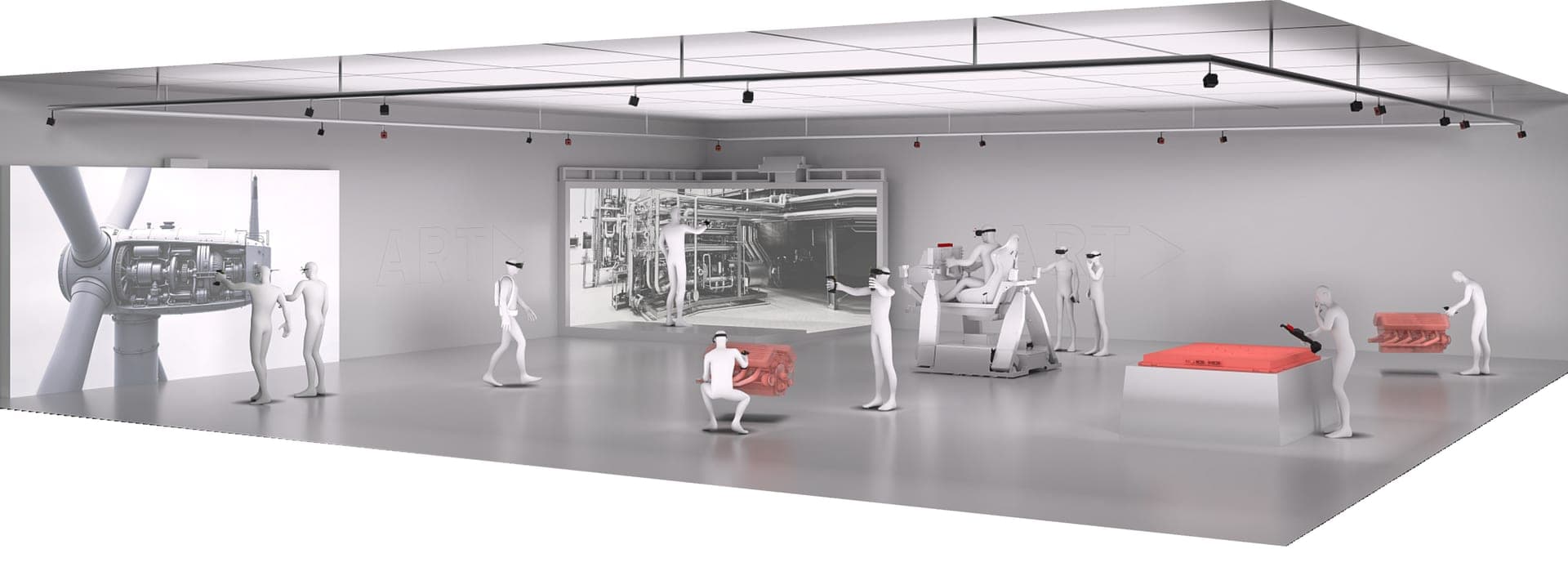
DTRACK is the heart of every marker-based optical ART tracking system. The software processes camera data in real time and delivers precise 6DOF poses for head-mounted displays, flysticks, targets, and any object.
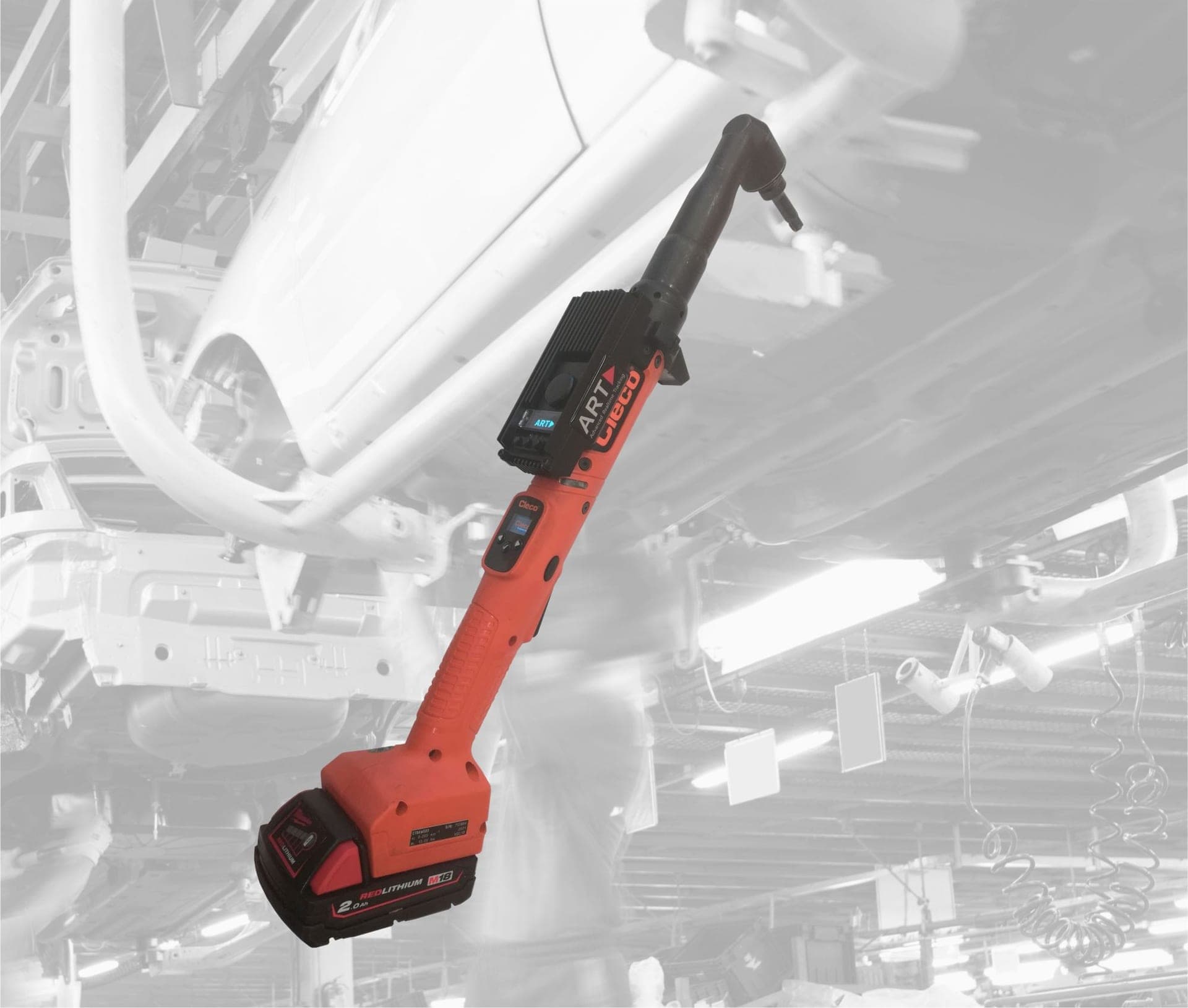
VERPOSE® extends the DTRACK ecosystem with intelligent image analysis for hand-held assembly tools — without markers on the tool. Classic DTRACK tool tracking with Flystick, finger tracking, or targets complements this for marker-based tool guidance in VR and assembly.
It depends on your role: plan VR/XR → tracking configurator; secure assembly → VERPOSE® or DTRACK?; integrate tracking → integration & partners; order hardware → ART web shop; consultation → book appointment. See all entry points on the home page.
is ART's central tracking software — the heart of every marker-based system. It processes camera data and delivers precise poses for s, flysticks, s, and other objects in applications. The current generation DTRACK4 is described on the DTRACK4 features page.
Infrared cameras capture reflective s on objects. DTRACK calculates the position and orientation () of each in real time from the image data — with low latency for immersive applications, robotics, and optical metrology. How passive spherical markers send IR light back to the camera is explained in Retroreflection — how glass beads make our tracking possible.
DTRACK stands for marker-based : infrared cameras capture reflective s and calculate poses in real time. uses camera-based image analysis on the tool — a specialized computer vision solution for assembly positions, without s on the tool. Learn more about VERPOSE® on the VERPOSE® product page.
ART systems are used in automotive, aerospace, robotics, mechanical engineering, metrology, and VR/AR training and simulation applications — wherever precise 6DOF data is required. Browse use cases and reference projects by industry and technology.
Yes. DTRACK delivers precise data for head-mounted displays, and installations, and multi-user XR. Typical use cases include collaborative engineering, design reviews, and real-time simulation — also in combination with XR streaming partners. Examples: marker-tracking use cases.
In and environments, teams visualize 3D models at full scale — for example in automotive VR centers or aerospace simulation. ART tracking keeps all users and interaction devices aligned to the millimeter in a shared coordinate system. References: VR/XR applications.
A is a large stereoscopic projection surface — ideal for team presentations and design reviews. A surrounds users with projection walls for fully immersive walkthroughs. An HMD arena combines multiple s in one shared — for multi-user VR with precise alignment. ART tracking keeps all variants in the same coordinate system.
Yes. SMARTTRACK3 and DTRACK deliver precise 6DOF tracking for head-mounted displays in AR and MR applications — from industrial AR training to collaborative engineering and multi-user XR with streaming partners. Camera overview: camera comparison. Reference projects: use cases.
With DTRACK, robots, tools, and moving objects can be tracked in space — from compact volumes to large-scale setups with AT7 cameras. VERPOSE® adds camera-based tool tracking at the assembly station: recognize positions, secure workflows, prevent errors. Overview: robotics solutions. Examples: robotics and assembly with VERPOSE®.
is a camera-based system for hand-held assembly tools. The image analysis software recognizes predefined assembly positions through computer vision and ensures that assembly procedures in robotics and serial production are performed correctly. Product overview: VERPOSE®.
VERPOSE® recognizes assembly positions through camera-based image analysis on the tool — without s on the tool. DTRACK uses reflective s or s on Flystick, finger tracking, or tools for classic tracking — ideal for VR assembly, prototyping, and simulation. Both complement each other in serial production. Guidance: VERPOSE® vs. DTRACK decision tree.
No — VERPOSE® works camera-based and recognizes assembly positions through image analysis. The tool itself does not need additional markers, which simplifies use in robotics and serial production.
Optical motion tracking delivers high-precision spatial data for position and orientation measurements. ART cameras such as AT7-50 and AT7-80 are suited for large tracking volumes and demanding measurement tasks — in research, quality assurance, and large-scale VR. Technical data: camera comparison and datasheets.
It depends on tracking volume, mounting space, and environment. SMARTTRACK3 suits compact VR workstations, ARTTRACK6/M for CAVE and tight spaces, AT7-50 and AT7-80 for large-area tracking and metrology. The camera comparison on this website helps you choose.
Yes. ART systems support cascading — SMARTTRACK and ARTTRACK cameras can be combined in mixed arrays to cover large volumes, robotics setups, or complex VR geometries. Details in DTRACK4 features and the user's guide (camera setup).
DTRACK4 runs on Windows 10 or 11. Exact requirements depend on camera count, frame rate, and enabled features — including 2× Gigabit Ethernet and jumbo frames on the tracking PC. See installation guide, p. 26, manuals, and datasheets.
DTRACK4 is the current generation of ART tracking software — Windows-based and without a dedicated ART Controller. DTRACK3 remains available for existing installations; a license is required before installation. Overview: DTRACK4 features · licensing.
To move from DTRACK3 to DTRACK4, you need an upgrade license — see the DTRACK4 licensing page for term and scope.
ARTTRACK5(/C) cameras can remain in the system when at least one ARTTRACK6/M, AT7-50, or AT7-80 is part of the setup. Older camera types — such as ARTTRACK1/2/3, TRACKPACK(/E), or standalone SMARTTRACK/3/M — are no longer supported with DTRACK4. Full hardware list: DTRACK4 features — cameras.
A free plugin is available for Unity on the Unity Asset Store. For Unreal Engine 4/5, an official DTRACK plugin with Live Link is provided on GitHub. The SDK and further interfaces are in resources — interfaces and the product interfaces section. Developer documentation: programmer's guide.
Overview for integrators and partners: integration & partners — SDK, Unity/Unreal plugins, camera comparison, and shop for markers/accessories. Reference: Mechdyne Aerospace.
Usually start with room calibration (or room recalibration), not automatically a new body calibration. The DTRACK 2D Monitor helps distinguish camera drift from target problems. Guide: room vs. body calibration. Practical tips for target calibration: Target calibration in DTRACK.
The resources section provides manuals (documentation — manuals), technical datasheets, and software updates. For support inquiries and product quotes: contact.